The teamwork between several law enforcement agencies in Project DOLOR, a 19-month drugs and weapons investigation that led to 13 people from southern Manitoba being charged, is being commended at all levels.
Related stories:
- 13 people charged, major drug and firearm seizures in southern Manitoba
- ▶️ Listen to this news story on the radio: Country 93 / Mix 96 / CFRY 920
Winkler's Police Chief, Ryan Hunt, says this collaboration is a perfect example of police services working together to prevent crime.
"Our officers started to become aware of a significant drug trafficking network in our area and realized that it was going to be an extensive project that was going to require a lot of time and resources, which we are not capable of doing on our own. So, generally, we'll reach out to a bigger police service, like the RCMP, to assist with that," he explained. "It's not uncommon."
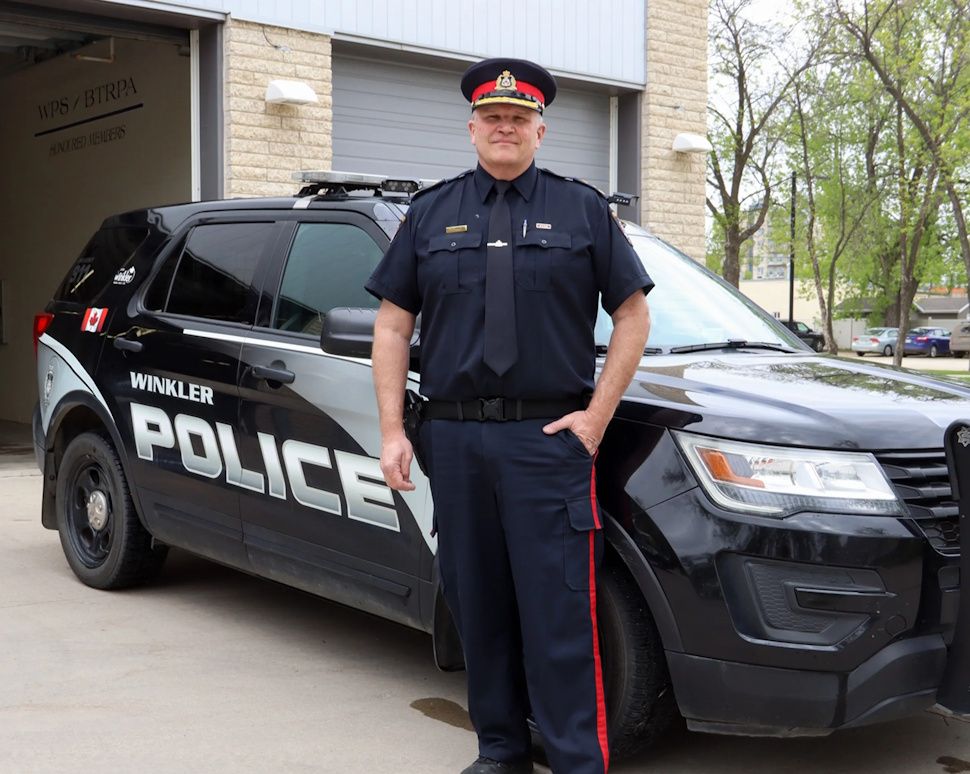 Winkler Police Chief Ryan Hunt
It all began in December of 2024 after Winkler police officers approached the RCMP for support upon learning multiple kilograms of cocaine were being imported into a local Winkler area business.
According to the RCMP, those charged are from 10 Manitoba communities, including Carman, Manitou, La Riviere, Thornhill, Morden, Winkler, Notre Dame de Lourdes, McCreary, the RM of Stuartburn and Winnipeg. Police say the criminal network operated in those communities and others throughout southern Manitoba.
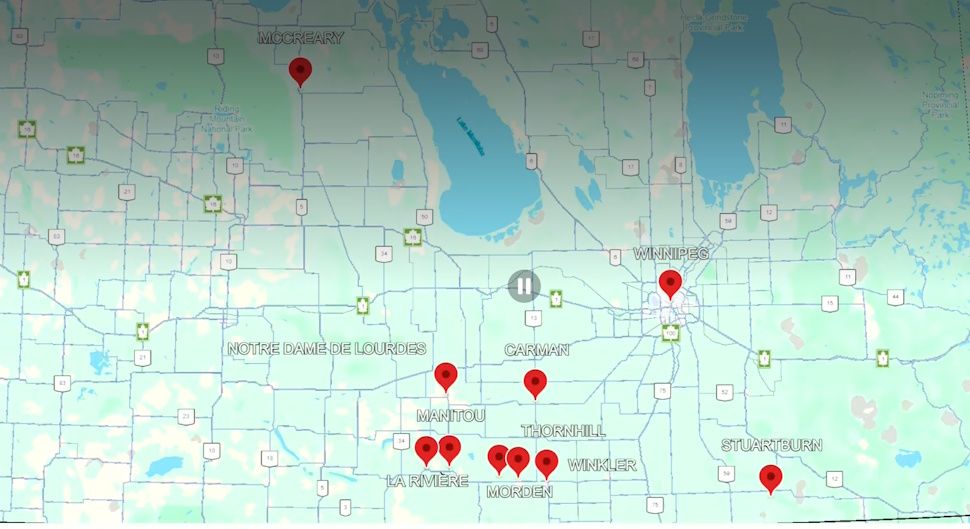
The suspects – 14 males and one female – live in 10 different Manitoba communities. Charges have been laid against 13 of the 15 suspects, with charges pending against two Winnipeg males who were recently arrested. Three suspects remain in custody.
Assistant Commissioner Scott McMurchy, Commanding Officer of Manitoba RCMP, says the Winkler Police Service is an important partner in the efforts to protect people's safety and security.
"I just want to highlight the low-level of collaboration that occurred between our officers and our colleagues at the Winkler Police Service [...]," he said at Tuesday's news conference. "I also want to note the many different RCMP units and teams that assisted with Project DOLOR, as well as the various organizations and police services working with us at various points during this investigation."
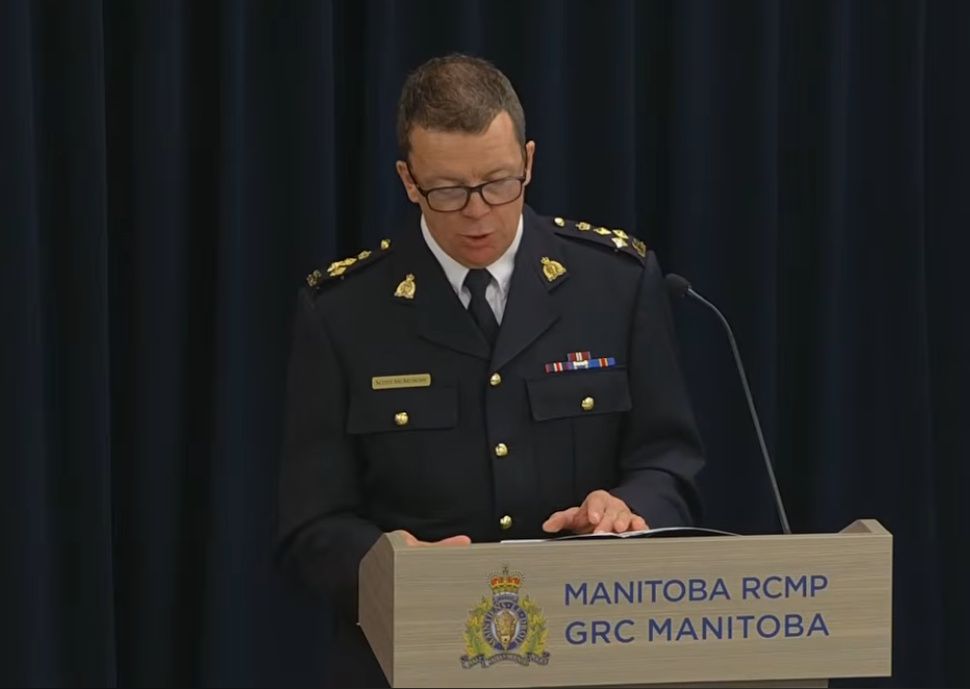 Assistant Commissioner Scott McMurchy, Commanding Officer of Manitoba RCMP
That includes Manitoba Justice and the Manitoba Criminal Intelligence Center.
"The teamwork displayed during this project was exceptional to witness. Everyone worked together, pushing in the same direction with the shared goal of taking illicit drugs and illegal weapons off the streets and bringing those accused to justice. And I wish to congratulate everyone for their work and support."
McMurchy said many of the officers involved in Project DOLOR repeatedly placed themselves at risk while working to advance the investigation.
Additionally, Manitoba Justice Minister Matt Wiebe said Project DOLOR is an incredible example of a community-driven initiative that will keep Manitoba communities safe.
"This is a testament to how that coordination between law enforcement agencies can be operationalized and can make a difference," he said.
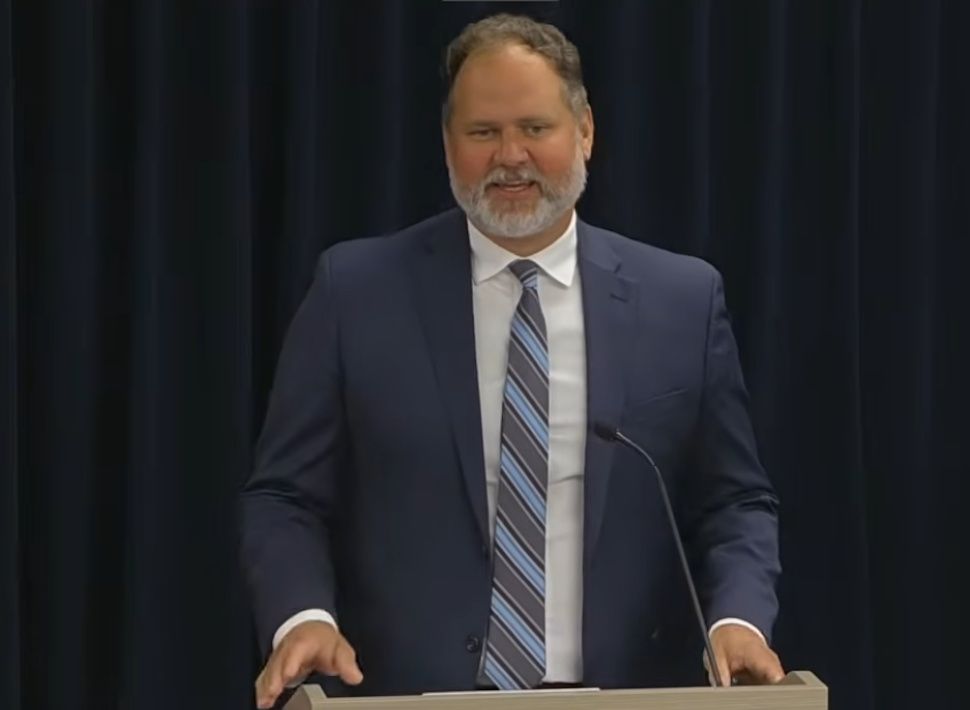 Manitoba Justice Minister Matt Wiebe
"When it comes down to it, we want to make an impact, we want to disrupt the organized crime in our province, we want to stop illegal drugs from coming into our communities and devastating our communities. We want to keep communities safe, and this is how we do it."
Chief Hunt added that illegal drugs and weapons pose a significant safety risk to our communities.
"It just causes lots of issues and the crime that goes along with it," he said. "It just deteriorates the safety of our communities."
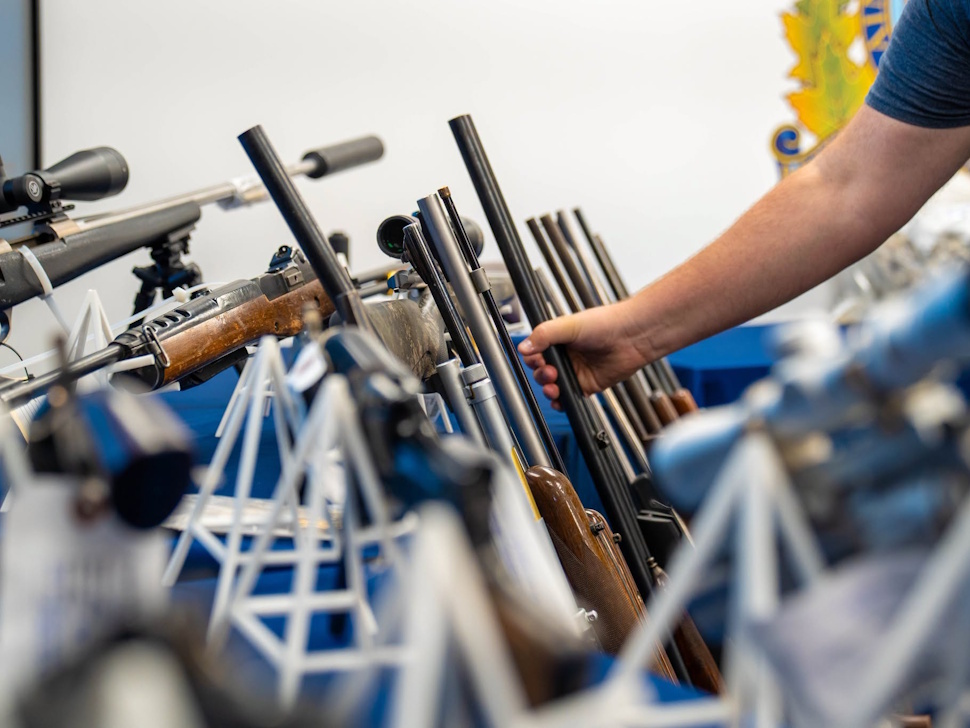
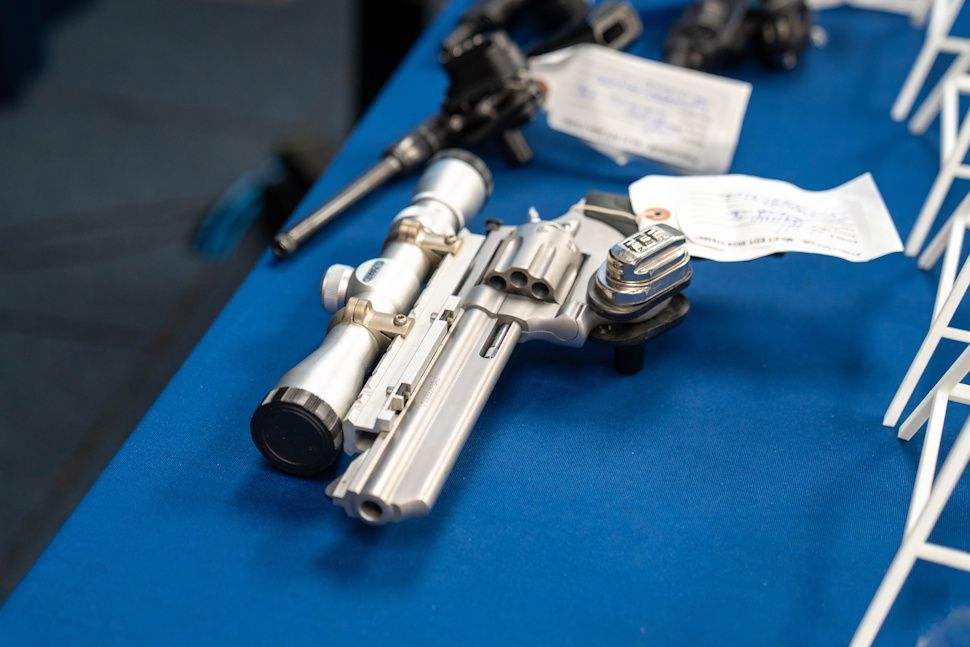
As part of Project DOLOR, police seized approximately eight kilograms of cocaine, 2.5 kilograms of psilocybin, 13 restricted handguns, 44 non-restricted firearms, thousands of rounds of ammunition, four vehicles with a combined value of $110,000, 228 cartons of unstamped tobacco and $4,500 in cash.
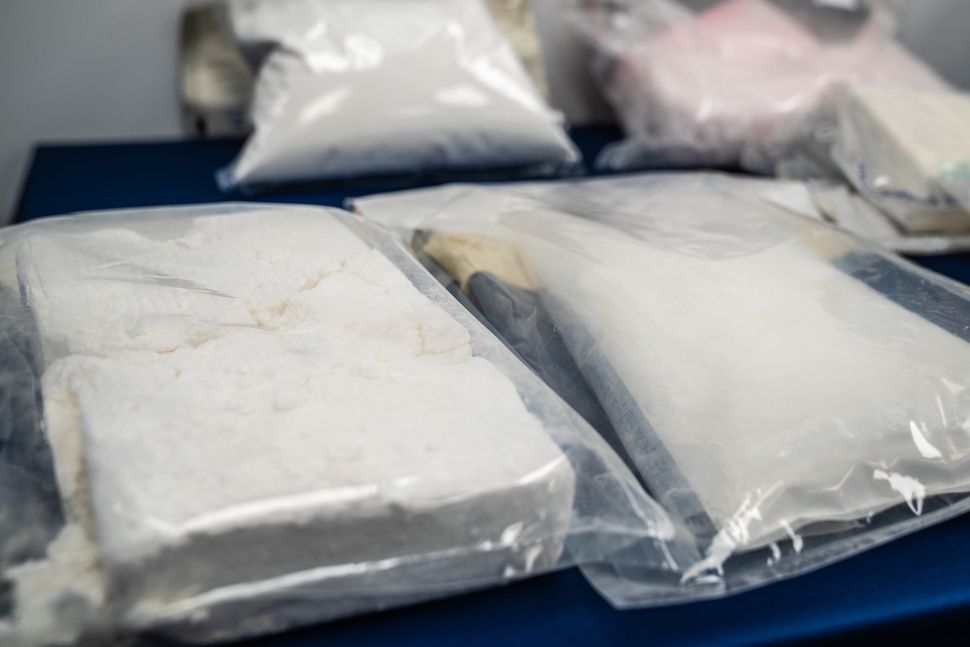
Police noted three of the restricted handguns were illegally trafficked, while the majority of the non-restricted firearms were unlawfully stored.



















 Wed, Aug 26, 4:00 PM


 Full-time, Administrative, Agriculture
 Featured